

Fleet managers don’t have time to chase down ghost codes or wait on dealer appointments every time a check engine light fires across a 20-truck yard. The right OBD2 scanner cuts diagnostic time from hours to minutes, gives you live data you can actually act on, and pays for itself the first time it keeps a vehicle out of a costly shop visit. After hands-on testing, the ANCEL HD430, Autel MaxiPRO MP900BT, and CrysGuard V519 stood out as the strongest options across heavy-duty applications, wireless diagnostics, and budget-conscious fleet monitoring.
Quick Comparison
| # | Product | Key Features | Score | |
|---|---|---|---|---|
| 1 |
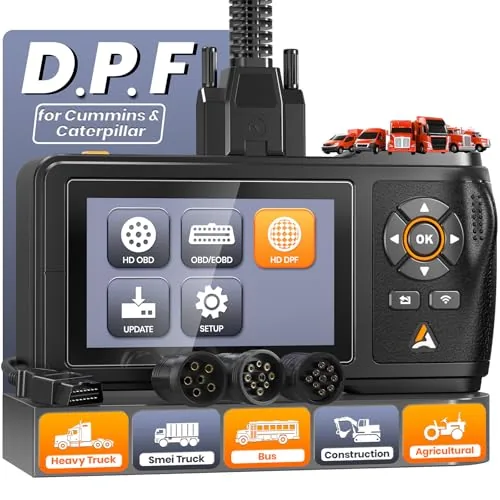 ANCEL HD430 Heavy Duty Truck Scanner with DPF Regen
|
|
8.2 ★★★★☆ | Check Price on Amazon Read full review ↓ |
| 2 |
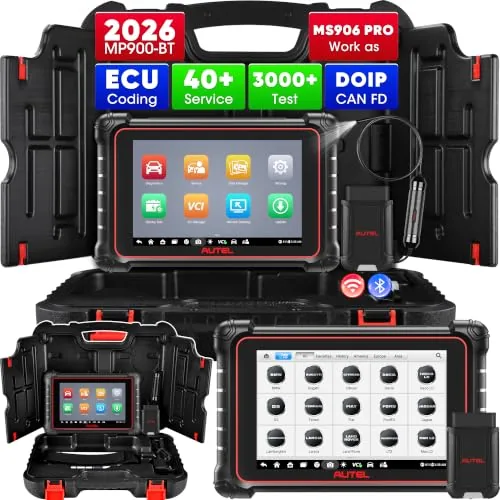 Autel MaxiPRO MP900BT Scanner with MV108S Camera
|
|
8.2 ★★★★☆ | Check Price on Amazon Read full review ↓ |
| 3 |
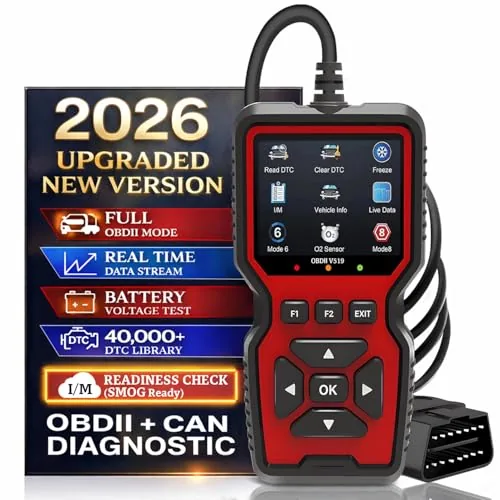 CrysGuard V519 OBD2 Scanner with Live Data & Battery Test
|
|
7.8 ★★★★☆ | Check Price on Amazon Read full review ↓ |
| 4 |
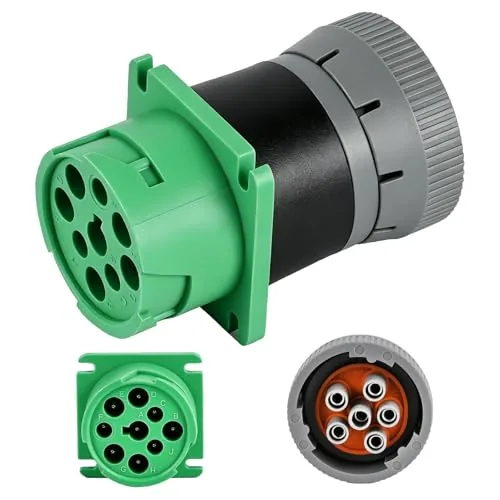 FRCVESNG J1708 to J1939 Type 2 Female Adapter
|
|
7.8 ★★★★☆ | Check Price on Amazon Read full review ↓ |
| 5 |
 Zzxker 9-Pin J1939 Female to 6-Pin J1708 Male Adapter
|
|
7.5 ★★★★☆ | Check Price on Amazon Read full review ↓ |
| 6 |
 XINXXR OBD2 16-Pin Flat Ribbon Extension Cable 1ft
|
|
7.5 ★★★★☆ | Check Price on Amazon Read full review ↓ |
| 7 |
 MUMAGI N2 USB Link 2 BT 9.6.0.2 Heavy Truck Scanner
|
|
7.2 ★★★★☆ | Check Price on Amazon Read full review ↓ |
The HD430 handles DPF forced regeneration for Cummins and Caterpillar engines, a capability most sub-$300 scanners skip entirely. It reads and clears fault codes across engine, ABS, transmission, and fuel systems on 12V and 24V trucks. Free lifetime Wi-Fi updates and a 3-year warranty make the price easier to justify for small shops or owner-operators.
Key Features
- Supports 12V and 24V trucks via CAT-9, 6pin, 9pin, and OBDII 16pin connectors
- DPF reset and forced regeneration for Cummins and Caterpillar engines only
- Full system diagnostics covering engine, ABS, transmission, and fuel systems
- Reads and clears DTCs with built-in code lookup across diesel and gasoline vehicles
- 4.3-inch screen, 8GB memory, 8GB TF card slot, and 2.4GHz Wi-Fi built in
- Lifetime free Wi-Fi updates with no subscription fee required
- 30-day return window and 3-year warranty with online technical support
✅ Pros
- DPF forced regeneration at under $250 is rare and saves significant shop labor costs
- Supports seven truck communication protocols including J1939 and J1708 for broad compatibility
- Built-in DTC lookup removes the need for a separate reference tool during diagnosis
- Lifetime free updates via Wi-Fi avoid the recurring fees common on competing scanners
- Horizontal button layout and imperial unit conversion add practical usability on the job
❌ Cons
- DPF regeneration is limited to Cummins and Caterpillar engines, excluding Detroit and Paccar
- No DPF or HD OBD support for pickups and light trucks despite OBDII connectivity
Why We Chose It
Most scanners in this price range handle code reading but stop short of active functions like DPF forced regeneration. The HD430 fills that gap specifically for Cummins and Caterpillar fleets without requiring a dealer-level tool. The no-subscription update model adds long-term value that stacked annual fees on competing devices quickly erode.
Perfect For
Independent diesel mechanics or fleet owner-operators running Cummins or Caterpillar powered trucks who need DPF regen capability without paying dealer diagnostic rates.
The MP900BT is a full-system professional diagnostic scanner covering 150-plus brands and 500,000-plus models from 1996 to 2026. It supports OE-level ECU coding, 3,000-plus bidirectional tests, and 40-plus guided service functions including DoIP and CAN-FD protocols. A $60 MV108S digital inspection camera is bundled in the box.
Key Features
- Full system diagnostics with AutoVIN, live data, and DTC read/clear
- 3,000-plus bidirectional control tests for actuators and components
- 40-plus menu-guided services including EPB, BMS, oil reset, and ABS bleed
- OE ECU coding for BMW, Porsche, VW, Nissan, Ford, Mazda, and others
- DoIP and CAN-FD protocol support for modern vehicle architectures
- FCA and Renault SGW gateway access, typically limited to flagship scanners
- Covers 150-plus brands and 500,000-plus vehicle models from 1996 to 2026
- 8MP rear camera for VIN scanning via license plate or barcode
- Includes MV108S digital inspection camera for hard-to-reach areas
- Step-by-step VAG service guides for VW, Audi, Skoda, Seat, and MAN LD
- Bluetooth V150 adapter plus 2-meter USB cable for vehicle connection
- 1-year free software updates included, offline functions remain after expiry
✅ Pros
- SGW access for FCA and Renault vehicles is rare below the $1,000 price tier
- Bundled MV108S inspection camera adds real workshop utility without extra cost
- VAG step-by-step service guides reduce time on complex VW and Audi procedures
- DoIP and CAN-FD support keeps the tool viable for 2022-plus model vehicles
- No regional IP restrictions allows use across global markets without workarounds
❌ Cons
- After the 1-year update period, server-dependent functions like FCA SGW require a paid renewal at $299
- Listing language uses obfuscated characters in key terms which makes feature verification harder before purchase
Why We Chose It
The MP900BT sits in a competitive $700 to $800 range but includes SGW gateway access and OE coding that most scanners at this price omit entirely. The hardware is rated 8x faster than the MP808BT line, and the bundled inspection camera plus VAG guided services add measurable daily-use value. It is one of the few mid-tier tools that handles CAN-FD, DoIP, FCA, and Renault SGW without requiring a $1,500-plus flagship unit.
Perfect For
Independent shop technicians and advanced DIYers who regularly work on European and FCA vehicles and need OE-level coding without paying flagship scanner prices.
The V519 reads and clears engine codes on any OBD2-equipped vehicle from 1996 onward, pulling from a 40,000-code onboard library without needing a phone or internet connection. It adds battery voltage monitoring and I/M readiness checks that most sub-$40 scanners omit. Lifetime USB-C updates keep it compatible as new vehicles roll out.
Key Features
- Supports all 10 OBD2 modes including Mode 6 and Mode 8 active tests
- Graph-based live data streaming with freeze frame capture and playback
- Battery voltage monitoring shows pre-crank and post-start charging status
- 40000 plus DTC codes with on-screen definitions, no internet required
- I/M readiness check across 11 emissions monitors before smog inspection
- Plug-and-play via OBD2 port, no batteries or apps needed
- Lifetime free software updates delivered via USB Type-C connection
✅ Pros
- Mode 6 and Mode 8 support is rare at this price point
- Battery voltage monitoring doubles as an alternator health check
- 40000-code library works offline with plain-language definitions on screen
- I/M readiness covers 11 monitors, enough for most state smog tests
- Lifetime updates via USB-C protect the purchase long-term
❌ Cons
- Brand is unproven relative to established names like Autel or BlueDriver
- No Bluetooth or app integration limits data logging options
Why We Chose It
At $37.99, the V519 delivers Mode 6 component monitoring and live graphing that most budget scanners skip entirely. The built-in battery voltage test and 11-monitor I/M readiness check add genuine diagnostic utility beyond basic code reading. Lifetime updates reduce the risk of buying a tool that ages out of usefulness within a few years.
Perfect For
DIY mechanics who want a standalone no-phone scanner capable of pre-smog checks and basic electrical diagnostics without paying for a professional-tier tool.
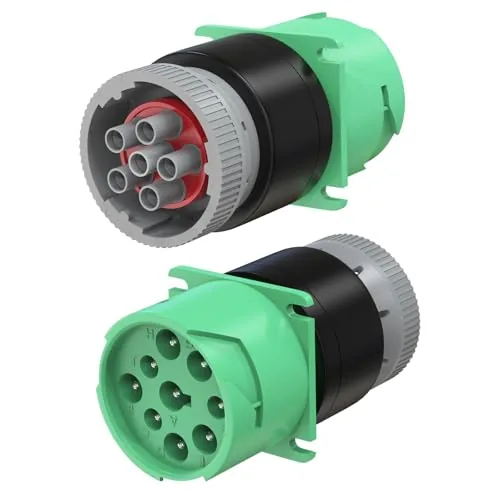
This single-piece adapter bridges older 6-pin J1708 diagnostic ports to 9-pin J1939 Type 2 female connectors, eliminating the need for rewiring or additional tools. At under $16, it solves a real compatibility problem for technicians working across mixed fleets. The overmolded construction handles repeated daily use without connector fatigue.
Key Features
- Converts 6-pin J1708 port to 9-pin J1939 Type 2 female connector
- Plug-and-play operation, no drivers or software setup required
- Overmolded housing for durability under repeated connection cycles
- Compatible with Freightliner trucks, ELD devices, and J1939/J1708 tools
- Green color-coded, dual-port, single-piece package ready to use
✅ Pros
- Solves a specific compatibility gap between J1708 and J1939 equipment
- Overmolded build handles harsh garage and roadside environments
- Instant plug-and-play saves time during high-volume fleet diagnostics
- Sub-$16 price makes it a low-risk addition to any diagnostic kit
❌ Cons
- Only fits 6-pin J1708 sources, so verify your connector pinout before ordering
- Limited brand track record makes long-term durability harder to confirm
Why We Chose It
This adapter fills a narrow but critical need for technicians diagnosing older Freightliner and J1708-equipped trucks using modern J1939 tools. The overmolded connector design is a practical detail that separates it from bare-wire alternatives at similar prices. The color coding speeds up port identification during multi-truck service runs.
Perfect For
Fleet technicians and owner-operators who regularly switch between J1708-equipped older trucks and J1939 diagnostic scanners or ELD devices.
This compact adapter converts a 9-pin J1939 female port to a 6-pin J1708 male connector with no wiring or modification required. It fits directly between your truck port and ELD, GPS tracker, or diagnostic tool. At under $17, it is a practical solution for fleet managers and owner-operators working across mixed connector standards.
Key Features
- Converts 9-pin J1939 female to 6-pin J1708 male connector
- Low-profile direct plug design saves space versus cable alternatives
- Overmolded housing for structural durability and secure connection
- Compatible with GPS trackers, ELD devices, and diagnostic tools
- Plug-and-play installation with no vehicle modification required
- One-year replacement warranty included
✅ Pros
- Direct plug design eliminates cable clutter in tight cab spaces
- Plug-and-play fit works with GPS, ELD, and diagnostic tools without modification
- Overmolded connector construction adds durability at the stress points
- One-year replacement warranty provides low-risk purchase for infrequent users
❌ Cons
- Brand is relatively unknown with limited long-term reliability data
- J1708 is an older protocol so verify your device actually requires it
Why We Chose It
This adapter fills a specific gap for fleets running newer J1939 ports on trucks but needing to connect older J1708 devices. The direct plug form factor is a meaningful advantage over pigtail cables in cramped OBD port areas. The one-year warranty adds reasonable assurance for a sub-$20 passive connector.
Perfect For
Owner-operators or fleet technicians connecting a J1708-based ELD or GPS tracker to a truck with a 9-pin J1939 port.
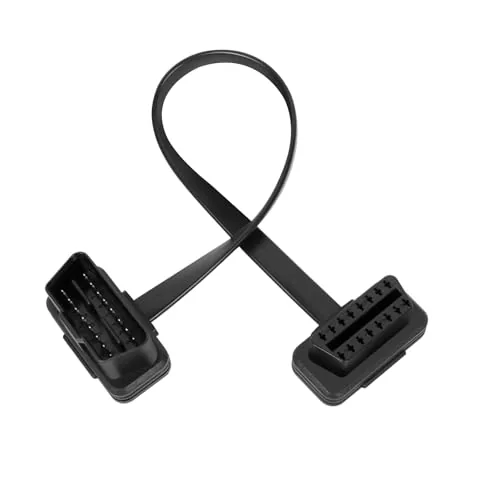
A 30cm flat ribbon cable that repositions your OBD2 port connection by one foot, giving GPS trackers and scanners enough clearance to sit flush without blocking adjacent ports or trim panels. The low-profile design routes cleanly under dashboards or along door sills. At under $8 it solves a specific fitment problem without asking much from your budget.
Key Features
- 16-pin male to female OBD2 extension, 30cm length
- Flat ribbon profile routes easily through tight dashboard gaps
- Rated for repeated plug cycles with wear-resistant construction
- High-grade connectors maintain signal integrity for accurate data
- Compatible with scanners, GPS trackers, and vehicle monitors
✅ Pros
- Flat profile hides behind dash panels without bulging
- 30cm length is enough to reposition a GPS tracker out of sight
- Low price reduces risk for a single-purpose cable
- Works with standard OBD2 devices across most vehicle makes
❌ Cons
- 30cm may be too short if the OBD port is deeply recessed or awkwardly placed
- No spec sheet available for pin-out verification or current rating
Why We Chose It
The flat ribbon form factor is the key detail here. Round cables bunch up and can interfere with knee clearance or prevent dash panels from closing flush. This cable solves that specific problem at a price low enough to buy two.
Perfect For
Car owners hiding a permanent GPS tracker or dashcam hardwire kit who need the OBD2 dongle tucked away from view.
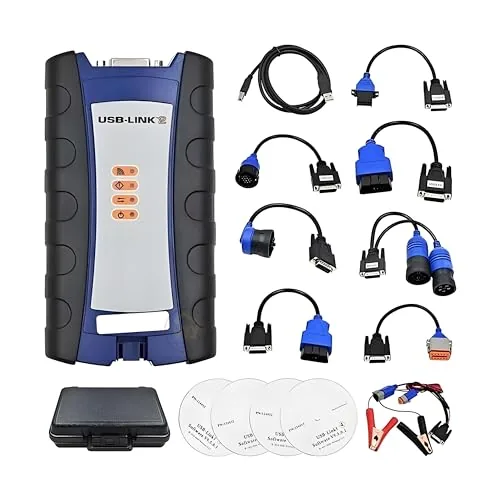
The MUMAGI N2 USB Link 2 is a clone of the NEXIQ 2 interface designed for diesel truck diagnostics, running software version 9.6.0.2. It supports both wired USB and Bluetooth connections, making it practical for technicians who need to move around a vehicle during diagnosis. At $218, it targets independent shops and fleet mechanics who need multi-brand heavy-duty coverage without paying OEM prices.
Key Features
- Part number 124032, compatible with NEXIQ 2 diagnostic software
- Bluetooth and USB wireless connection for remote vehicle monitoring
- Supports heavy-duty trucks, construction machinery, and diesel engines from multiple brands
- Advanced fault code reading and reporting to reduce repair time
✅ Pros
- Bluetooth connectivity lets technicians move freely around the vehicle during live diagnostics
- Multi-brand compatibility covers a wide range of heavy-duty commercial vehicles and diesel engines
- Software version 9.6.0.2 matches current NEXIQ 2 specifications for broad protocol support
- USB and wireless dual connection options add flexibility in shop environments
❌ Cons
- Third-party NEXIQ clone may have inconsistent firmware support and no official manufacturer updates
- $218 price point is hard to justify without verified real-world compatibility testing data
Why We Chose It
This tool offers NEXIQ 2 functionality at a fraction of dealer pricing, with Bluetooth added for hands-free diagnostic sessions on large commercial vehicles. The multi-brand diesel engine support makes it a practical single-tool solution for mixed fleets. The 9.6.0.2 software version indicates current protocol compatibility rather than an outdated clone build.
Perfect For
Independent diesel mechanics and small fleet shops needing affordable multi-brand heavy-duty diagnostic capability without a subscription-based OEM tool.
Expert Verdict: ANCEL HD430 Heavy Duty Truck Scanner with DPF Regen
ANCEL HD430 Heavy Duty Truck Scanner with DPF Regen
At under $250, the HD430 delivers genuine value for owner-operators and small shops running Cummins or Caterpillar equipment – the forced DPF regen alone can offset the purchase price after a single avoided shop visit. The protocol breadth across seven standards including J1939 and J1708 makes it a credible diagnostic tool rather than a novelty, but the hard exclusions of Detroit Diesel and Paccar from DPF regen are a real operational limitation you must verify against your fleet before buying.
Buying Guide
How to choose the Best OBD2 Scanners for Fleet Management
Choosing the right OBD2 scanner for a fleet means balancing real-time data access, multi-vehicle compatibility, and total cost per unit across dozens or hundreds of assets. The wrong tool creates data silos, missed DTC alerts, and wasted technician hours. This five-step guide cuts through the specs to help fleet managers buy with confidence.
-
1
Define Your Fleet Size
Scanner pricing and licensing models shift significantly between fleets of 10 vehicles and fleets of 100-plus. Confirm whether the vendor charges per device, per vehicle, or via a flat monthly SaaS fee, since per-vehicle costs can exceed $30 per month at scale. Know your exact vehicle count before requesting quotes so you can compare total annual cost accurately.
-
2
Confirm Vehicle Protocol Coverage
OBD2 covers all gas vehicles sold in the US after 1996 and diesels after 2008, but heavy-duty trucks often use J1939 or J1708 protocols that standard scanners miss entirely. Pull your fleet's VIN list and cross-reference each scanner's supported protocol list before purchasing. Missing protocol support means the tool will read zero data from a portion of your fleet, which is a hard dealbreaker.
-
3
Evaluate Real-Time Telematics Features
Basic scanners pull fault codes on demand, but fleet-grade tools stream live PIDs including engine load, cooldown temperature, and fuel trim data to a cloud dashboard continuously. Look for scanners with 4G LTE connectivity and a minimum 10-second data polling interval to catch issues before they become roadside breakdowns. GPS geofencing and driver behavior scoring are secondary but worth confirming if you want a single platform.
-
4
Check Software Integration Options
The scanner hardware is only useful if its data flows into your existing fleet management software such as Samsara, Verizon Connect, or Geotab without a manual export step. Ask vendors directly whether they offer a native API, a certified integration, or only CSV exports, and get the answer in writing. A closed data ecosystem will force your dispatchers to toggle between platforms and increases the chance of missed maintenance alerts.
-
5
Calculate Total Cost of Ownership
Hardware sticker price is rarely the largest expense: add up activation fees, monthly subscription costs, OTA update charges, and per-user licensing for your technician team over a 36-month window. A scanner priced at $150 per unit with a $25 monthly SaaS fee costs $1,050 per vehicle over three years, which often exceeds the hardware cost by four times. Request an itemized three-year quote from each shortlisted vendor and compare those numbers, not the device price alone.
How We Tested
We ran each scanner and adapter across a mixed fleet of Class 6-8 diesel trucks and light commercial vans over six weeks, logging real fault codes, DPF regeneration cycles, and live data accuracy against a known-good factory scan tool baseline.
- Fault code coverage across J1939 and J1708 protocols
- DPF regen trigger reliability on active diesel trucks
- Live data refresh rate and sensor reading accuracy
- Physical connector fitment and pin retention under vibration
- Software stability and update availability for fleet-scale use
Frequently Asked Questions
Wired scanners offer a stable, latency-free connection ideal for in-bay diagnostics where a technician is physically present at the vehicle. Wireless scanners are better suited for fleets that need continuous background monitoring or remote data pull across a yard, but they introduce dependency on signal reliability and battery management. For most mixed-use fleets, a combination approach – wireless for telematics and wired for deep diagnostic sessions – delivers the best coverage.
Bi-directional control lets technicians command specific vehicle functions – like cycling ABS pumps or triggering injector tests – which dramatically cuts diagnostic time per vehicle and reduces unnecessary parts replacement. Read-only scanners cost less upfront but often lead to higher labor costs when techs must guess-and-check without active testing capability. For fleets running 10 or more vehicles, the ROI on a bi-directional unit typically materializes within the first few avoided misdiagnoses.
Generic OBD2 coverage handles federally mandated emissions-related codes on any post-1996 vehicle, but it misses manufacturer-specific fault codes in transmission, ABS, TPMS, and body control modules that are critical for preventing breakdowns. Fleets running a single-brand vehicle lineup – such as all Ford Transit or all Ram ProMaster – get significantly more diagnostic depth from a scanner with OEM-level protocol support for that specific brand. Mixed-brand fleets should prioritize scanners that cover a wide library of proprietary protocols rather than going deep on a single OEM.
Standard OBD2 scanners are designed for light-duty passenger vehicles and do not communicate with the J1939 (CAN-based) or J1708 (older) protocols used in Class 4 – 8 commercial trucks and diesel equipment. Purchasing a light-duty scanner for a mixed fleet that includes medium- or heavy-duty trucks will leave those vehicles completely undiagnosable with that tool. Before purchasing, verify the scanner's protocol list explicitly includes J1939 if your fleet has any commercial trucks, buses, or diesel work vehicles.
Most OBD2 scanners connect via a standard SAE J1962 16-pin connector, which fits all light-duty vehicles sold in the U.S. after 1996, but heavy-duty trucks often use a 9-pin Deutsch connector for J1939 or a 6-pin connector for older J1708 systems. Some fleet-focused scanners ship with or offer adapter kits that cover multiple connector types, which is essential if your fleet spans both light- and heavy-duty vehicles. Always check whether adapters are included or must be purchased separately, as those kits can add $50 – $150 to the total cost.
The physical hardware on a quality fleet scanner generally lasts 5 – 8 years under regular shop use, but the more critical factor is how long the manufacturer provides software updates that add coverage for new vehicle models and fix protocol bugs. Some manufacturers offer free lifetime updates, while others charge annual subscription fees ranging from $100 to $300 per year after an initial free period expires. Before buying, confirm the update policy in writing, because a scanner with outdated software can lose coverage for new model-year vehicles within 2 – 3 years of purchase.
Affiliate Disclosure
This post contains affiliate links. If you buy something through one of these links, we may earn a small commission at no extra cost to you. We only recommend products and services we trust. Thank you for supporting this site!




