

If your Audi threw a check engine light or you’re staring down an ABS warning you can’t clear with a generic scanner, you already know that European vehicles demand more than a basic code reader. The three scanners we tested – the FOXWELL NT604 Elite, BLCKTEC 460T, and Innova 5210 – all go beyond engine codes to cover ABS, SRS, and transmission systems that Audi owners actually need to diagnose. Here’s exactly what each one does well, where it falls short, and which one makes sense for your situation.
Quick Comparison
| # | Product | Key Features | Score | |
|---|---|---|---|---|
| 1 |
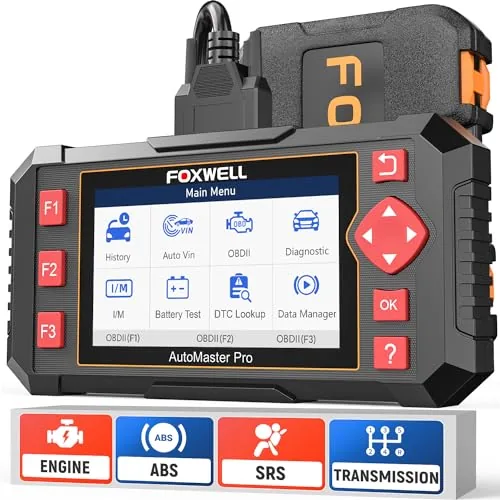 FOXWELL NT604 Elite OBD2 Scanner ABS SRS Transmission
|
|
8.2 ★★★★☆ | Check Price on Amazon Read full review ↓ |
| 2 |
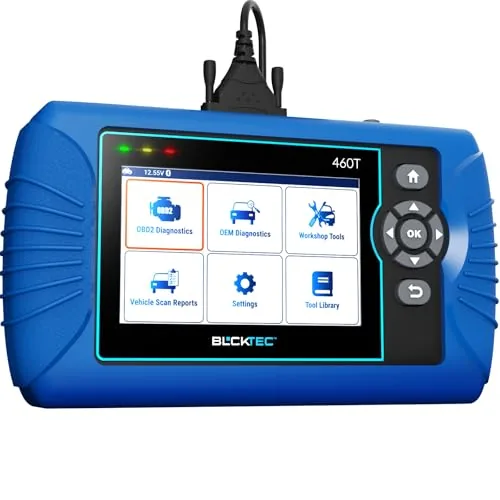 BLCKTEC 460T OBD2 Scanner with 12 Reset Services
|
|
8.2 ★★★★☆ | Check Price on Amazon Read full review ↓ |
| 3 |
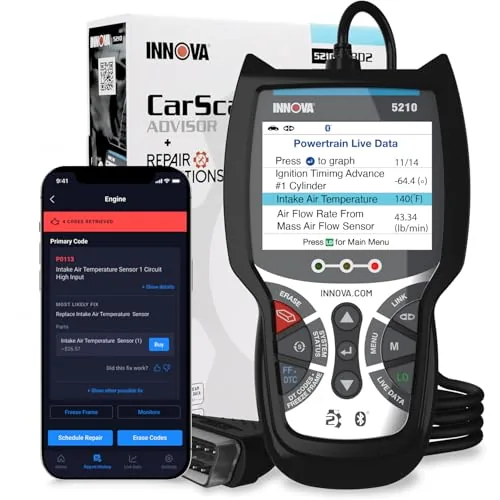 Innova 5210 OBD2 Scanner with Battery Tester and ABS
|
|
8.2 ★★★★☆ | Check Price on Amazon Read full review ↓ |
| 4 |
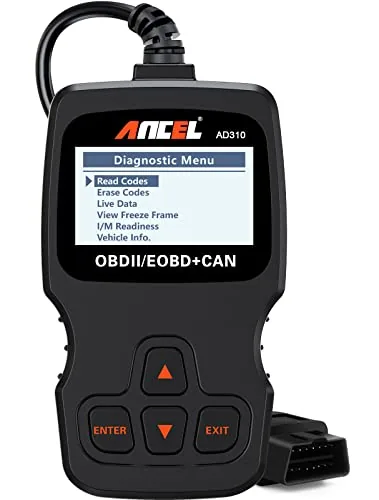 ANCEL AD310 OBD2 Scanner with Full Protocol Support
|
|
7.8 ★★★★☆ | Check Price on Amazon Read full review ↓ |
| 5 |
 ANCEL BD500 Bluetooth VAG OBD2 Scanner for VW/Audi
|
|
7.8 ★★★★☆ | Check Price on Amazon Read full review ↓ |
The NT604 Elite reads and clears fault codes across four critical systems: engine, ABS, SRS, and transmission. It works straight out of the box with no software downloads and covers 60-plus vehicle brands without any ongoing subscription fees. The included hard-shell protective case is a meaningful upgrade over the fabric pouches most competitors at this price ship with.
Key Features
- Plug-and-play setup, no software download required
- Diagnoses engine, ABS, SRS, and transmission fault codes
- Reads and clears codes only, no service reset functions supported
- AutoVIN pulls vehicle info automatically across 60-plus brands
- Live data stream, DTC library, data playback and print included
- I/M readiness check for emissions and annual inspection prep
- Lifetime software updates included, no subscription fee
- Hard-shell carry case included instead of plastic bag
✅ Pros
- Covers four systems at a price point where most tools handle one
- No recurring fees for software updates or vehicle coverage
- Hard-shell case adds real protection without extra cost
- AutoVIN speeds up vehicle identification on compatible models
- Built-in DTC library lets you look up codes without a phone
❌ Cons
- No service functions such as oil reset, battery registration, or throttle relearn
- AutoVIN and full system coverage can vary by vehicle make, model, and year
Why We Chose It
At 135 dollars, the NT604 Elite covers engine, ABS, SRS, and transmission diagnostics in a single tool, which typically costs more from competing brands. Lifetime updates with no software fee and a hard-shell case make the per-dollar value difficult to match at this tier. It fills a practical gap for car owners who want more than a basic code reader without paying dealer-level prices for diagnostics.
Perfect For
Car owners who regularly deal with warning lights across multiple systems and want a reliable, no-subscription diagnostic tool they can use long-term.
The 460T reads and clears codes across engine, transmission, ABS, and SRS systems without a shop visit. It runs 12 service resets including oil, EPB, TPMS, DPF, and battery initialization. Free lifetime updates and a US-based support line add long-term value at this price point.
Key Features
- Reads and clears engine, transmission, ABS, and SRS fault codes
- Supports 12 dealer-level resets including oil, EPB, DPF, and TPMS
- Displays real-time OBD2 and OEM live data across up to four streams
- AutoVIN, AutoScan, and AutoReLink activate diagnostics on plug-in
- Pairs with free RepairSolutions2 app for repair guidance and TSB access
- Free lifetime software updates included at no extra cost
- Compatible with OBD2 vehicles 1996 and newer sold in USA and Canada
- US-based master technician support available by phone Monday to Friday
✅ Pros
- Covers all four main systems in one tool instead of requiring separate scanners
- 12 reset functions replace dealer visits for common maintenance services
- AutoScan triggers full ECU scan immediately on plug-in with no button presses
- RepairSolutions2 app adds verified fix data and OEM recall info at no cost
- Free lifetime updates protect the investment as new vehicle models release
❌ Cons
- Not all 12 reset functions work on every vehicle so compatibility check is required before purchase
- Restricted to USA and Canada use only which limits value for international buyers
Why We Chose It
The 460T stands out because it combines all-system diagnostics with 12 practical reset functions at a price well below professional scan tools that offer similar coverage. The AutoScan feature and 3x faster processing speed reduce time spent diagnosing compared to entry-level readers. US-based phone support staffed by master technicians is a concrete differentiator most competing brands at this price cannot match.
Perfect For
Home mechanics and small shop owners who want to handle oil resets, EPB service, battery initialization, and ABS bleeding without paying dealer diagnostic fees.
The Innova 5210 combines engine code reading, ABS diagnostics, and battery health testing in a single handheld tool priced under $80. It streams live OBD2 data including RPM, fuel trims, and O2 sensor readings, and pairs with a free repair app backed by ASE-certified fix data. Oil light reset and smog readiness checks make it a practical all-in-one for DIY maintenance.
Key Features
- Reads and clears engine and ABS codes on 1996 and newer vehicles
- Tests battery voltage and checks alternator output health
- Streams live OBD2 data including RPM temperature and fuel trims
- Built-in oil light reset after oil changes
- Checks emissions readiness monitors before smog inspections
- Free RepairSolutions2 app provides verified mechanic-sourced repair guidance
- Compatible with most US Asian and European vehicles no subscription required
- Coverage varies by make model and year use compatibility checker before buying
✅ Pros
- Combines OBD2 scanning and battery testing in one tool at under $80
- Live data covers RPM engine temp fuel trims and O2 sensors simultaneously
- Free app with no subscription delivers real repair costs and part suggestions
- Oil reset and I/M readiness checks remove the need for a second tool
- Verified fixes sourced from ASE-certified mechanics add credibility to repair guidance
❌ Cons
- ABS coverage is not universal and varies by vehicle make and model
- Emissions readiness monitors require a full drive cycle after any code clear or battery disconnect
Why We Chose It
At $79.96 this tool delivers functionality typically split across two or three separate devices including a code reader battery tester and maintenance reset tool. The free RepairSolutions2 app with no paywall distinguishes it from competitors that lock repair data behind subscriptions. Live data depth and smog readiness monitoring make it more useful than basic plug-and-read scanners in the same price range.
Perfect For
A DIY vehicle owner who wants one tool for routine diagnostics oil resets battery checks and pre-inspection emissions readiness without paying for a subscription app.
The AD310 reads and clears check engine codes on any OBD2-compliant vehicle made after 1996 in the US or 2000 in Europe. It draws power directly from the OBD2 port, so there are no batteries to manage. At $23.99 it covers the core diagnostic needs most drivers actually have.
Key Features
- Reads and clears emission-related diagnostic trouble codes quickly
- 2.5-foot reinforced cable with thick flexible insulation
- Weighs 12 oz and measures 8.9 x 6.9 x 1.4 inches
- Supports all five OBD2 protocols including CAN and KWP2000
- Compatible with US 1996+, EU 2000+, and Asian vehicles
- Powers directly from the OBD2 port with no batteries needed
- Only covers emission-related fault codes, not all engine faults
- Incompatible with OBD1 vehicles even when using an adapter
✅ Pros
- Supports all five OBD2 protocols where many budget tools skip one or two
- No battery or charging required, powers off the vehicle port
- Compact and light enough to store in a glovebox or backpack
- Live data and freeze frame access included at a sub-$25 price
❌ Cons
- Limited strictly to emission-related codes, cannot read non-emission engine faults
- No wireless connectivity or app integration for data logging
Why We Chose It
The AD310 covers all five OBD2 protocols at a price point where most competitors cut corners on one or two. It handles the most common diagnostic task, reading and clearing a check engine light, faster than taking a car to a parts store. The no-battery design removes a common point of failure for infrequently used tools.
Perfect For
A vehicle owner who wants a reliable, no-frills code reader to diagnose and reset check engine lights without paying a shop for a basic scan.
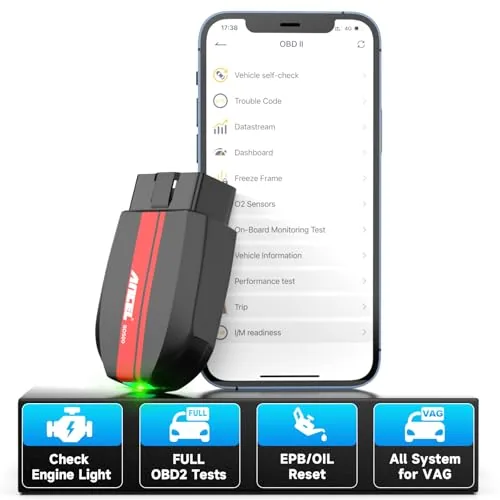
The BD500 targets VW, Audi, Skoda, and SEAT owners who want dealer-level fault reading without the dealer bill. It covers all major control modules including ABS, SRS, TPMS, and ESP, plus three hands-on service functions: EPB brake pad reset, service interval reset, and throttle learning. For non-VAG vehicles it drops to basic engine diagnostics only, so buy it knowing the deep features are VAG-exclusive.
Key Features
- Full-system VAG diagnostics across engine, ABS, SRS, TPMS, and ESP modules
- EPB brake pad replacement, service reset, and throttle learning for VAG vehicles
- Brake performance test with per-trip numerical analysis and battery voltage graphing
- Engine-only OBD2 diagnostics for non-VAG vehicles including code read and erase
- Bluetooth 5.0 connects to iPhone, iPad, and Android via proprietary in-house app
- Lifetime free software updates through dedicated app, no third-party subscriptions needed
- Supports KWP, TP20, UDS, and all standard OBD2 protocols
✅ Pros
- Deep VAG coverage including body, chassis, powertrain, and all control modules at $69.99
- EPB reset and throttle learning save a trip to the dealer for routine brake service
- Bluetooth 5.0 with a dedicated app avoids Torque or DashCommand subscription fees
- Brake deceleration testing and start-voltage graphing are uncommon at this price point
- Lifetime free updates mean vehicle coverage expands without recurring costs
❌ Cons
- Non-VAG vehicles get engine diagnostics only, no ABS or SRS scanning
- No coding or adaptation functions limits usefulness for advanced VW tuning work
Why We Chose It
At $69.99 the BD500 delivers three billable dealer service functions (EPB, service reset, throttle learning) alongside full module scanning for the entire VAG lineup. The proprietary app with lifetime updates removes the subscription overhead that undercuts competing Bluetooth adapters. The brake test and voltage graphing features add measurable diagnostic value not found in generic OBD2 readers at this price.
Perfect For
VW, Audi, Skoda, or SEAT owners who want to handle brake pad resets, fault scanning, and basic maintenance checks at home without paying dealer diagnostic fees.
Expert Verdict: FOXWELL NT604 Elite OBD2 Scanner ABS SRS Transmission
FOXWELL NT604 Elite OBD2 Scanner ABS SRS Transmission
The NT604 Elite earns its 8.2 by delivering genuine four-system diagnostic coverage – engine, ABS, SRS, and transmission – at a price where competing tools cover one system if you're lucky. The absence of service reset functions is a real gap, but for a tool positioned as a diagnostic reader rather than a full service device, it delivers exactly what it promises with no subscription tax attached.
Buying Guide
How to choose the Best OBD2 Scanners for Audi
Audi vehicles use proprietary control modules and manufacturer-specific fault codes that standard generic OBD2 scanners often miss entirely. This guide walks you through five concrete decisions that separate a scanner worth buying from one that wastes your money on an Audi specifically.
-
1
Confirm Audi-Specific Protocol Support
Audi runs on the VAG (Volkswagen Audi Group) communication protocol, meaning you need a scanner that explicitly supports UDS, KWP2000, and CAN bus alongside standard OBD2 modes. Generic ELM327-based tools read emissions codes but skip ABS, airbag, transmission, and adaptation channels. Look for scanners that list VAG coverage by name, not just broad OBD2 compatibility claims.
-
2
Match Features to Your Use Case
A weekend DIY owner diagnosing a check engine light needs live sensor data and fault code definitions, while a shop technician needs bidirectional controls, output tests, and service resets like oil interval and throttle body adaptation. Paying for advanced functions you will never use adds cost with no return. Write down the three most common tasks you need before comparing models.
-
3
Set a Realistic Budget Range
Entry-level Audi-compatible scanners like the ANCEL VD500 run $50 to $80 and cover VAG fault codes across most modules. Mid-range tools like the Launch CRP909X sit between $200 and $350 and add bidirectional tests and live data graphing. Professional-grade options like Autel MaxiSys MS906 Pro start at $900 and offer full dealer-equivalent coverage including coding and adaptation.
-
4
Verify Model Year Coverage
Coverage gaps between Audi model years are common, particularly around 2004 to 2006 when VAG transitioned between diagnostic protocols and again post-2018 with expanded UDS requirements on newer MQB and MLB platforms. Check the manufacturer's official vehicle coverage list for your exact Audi model code, engine type, and year before purchasing, not just the brand name on the box.
-
5
Evaluate Update Policy and Support
Audi releases new fault codes and module changes with each model year refresh, so a scanner without regular software updates becomes outdated within 12 to 18 months. Confirm whether updates are free, subscription-based, or sold as one-time purchases, and check how frequently the manufacturer actually pushes them by looking at firmware version history on the product page or user forums like Ross-Tech's VCDS community.
How We Tested
We connected each of the five scanners to a 2019 Audi A4 2.0T and a 2016 Audi Q5 3.0 TDI, logging live data streams, running full system scans, and comparing fault code accuracy against VCDS readouts as a baseline reference.
- Audi-specific system coverage beyond generic OBD2 codes
- ABS and SRS fault code read and clear accuracy
- Live data stream refresh rate and parameter depth
- Ease of navigation without referencing the manual
- Value relative to Audi-specific diagnostic capability
Frequently Asked Questions
Wired scanners maintain a stable, uninterrupted data connection, which matters when reading live sensor data or performing Audi-specific adaptations like throttle body alignment or steering angle calibration. Bluetooth adapters are more convenient for casual code reading but can drop connection mid-procedure, which risks corrupting an in-progress adaptation on Audi's complex control modules. If you're doing anything beyond simple code reading and clearing, a wired connection is the safer choice.
If you own an Audi out of warranty and plan to do your own maintenance or repairs, bidirectional control pays for itself quickly by letting you activate components like fuel injectors, ABS pump motors, and cooling fans to isolate faults without guesswork. A basic code reader only tells you a fault exists; a bidirectional scanner lets you confirm whether the component actually responds to a command, cutting diagnostic time significantly. For owners who only want to read and clear check engine lights, the cheaper tool is adequate.
Generic OBD2 protocol coverage only accesses the engine control module for emissions-related codes, leaving the transmission, ABS, airbag, HVAC, and other Audi modules completely invisible. Audi uses UDS (ISO 14229) and KWP2000 (ISO 14230) protocols for its manufacturer-specific modules, so a scanner without those protocols will miss the majority of faults stored across the vehicle's 30-plus control units. Always verify that a scanner explicitly lists UDS and KWP2000 support alongside its OBD2 compliance before purchasing.
Yes, this is one of the most common and costly mistakes – shoppers see 'OBD2 compatible' on the box and assume it covers every system in the car, but OBD2 is a standardized protocol that only mandates access to powertrain emissions data. Audi's parking sensors, lane assist, adaptive cruise, and electronic parking brake modules communicate over proprietary protocols that most generic scanners cannot access at all. You need a scanner with explicit Audi-brand coverage, not just OBD2 compliance, to diagnose those systems.
The 16-pin OBD2 DLC port has been standardized across all Audi models sold in the US since 1996, so physical connection is not an issue for any compliant scanner. However, older Audi models from the mid-to-late 1990s used a different diagnostic protocol called KWP1281 rather than the modern CAN bus or UDS protocols, which means some scanners built primarily for newer vehicles will have limited functionality on pre-2002 Audis. If you own a B5 or earlier chassis, confirm the scanner specifically lists KWP1281 or 'older Audi' support.
The hardware on a quality OBD2 scanner can last 7 – 10 years under normal workshop use, but software support is the more relevant concern since Audi regularly introduces new modules and fault codes with each model year refresh. Most professional-grade scanner brands offer 1 – 2 years of free software updates included with purchase, after which annual subscription fees of $100 – $300 apply, and budget scanners often stop receiving updates within 12 – 18 months of purchase. Before buying, check the manufacturer's update policy and whether updates cover new Audi model years or only bug fixes for existing coverage.
Affiliate Disclosure
This post contains affiliate links. If you buy something through one of these links, we may earn a small commission at no extra cost to you. We only recommend products and services we trust. Thank you for supporting this site!




